
Cultural Identity
The Significance of Traditional Music and Dance in Africa

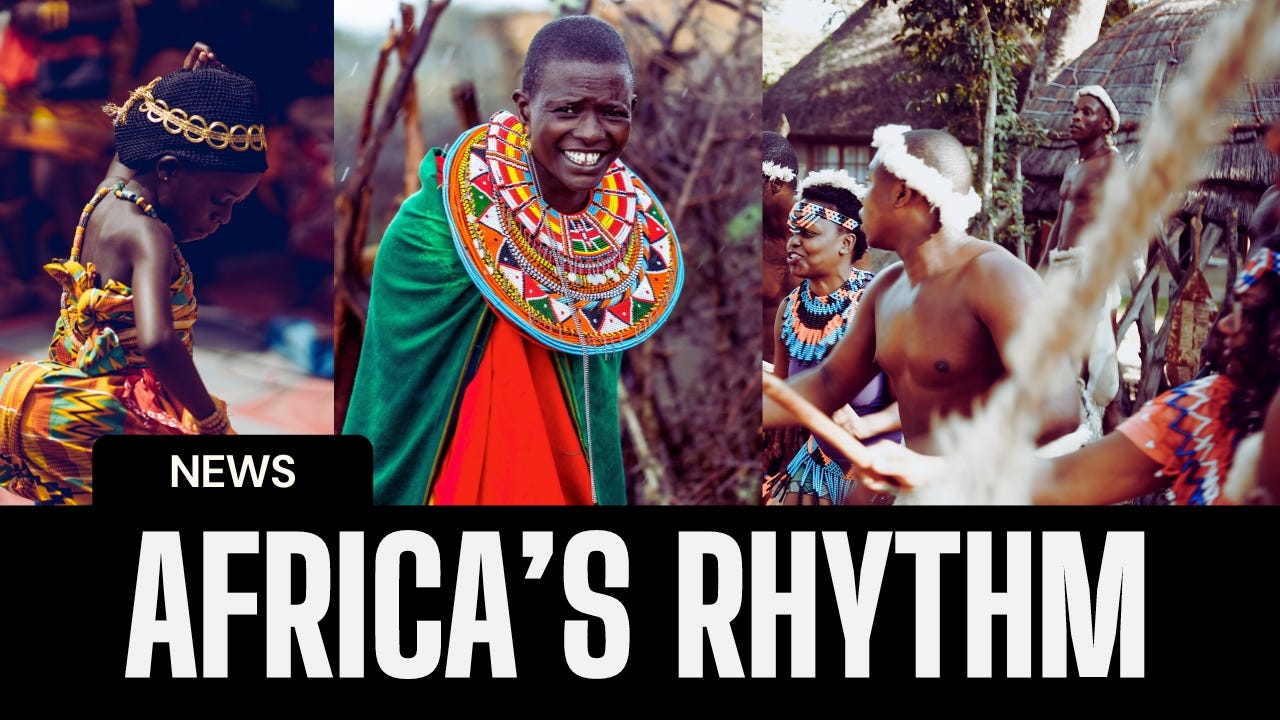
In the heart of West Africa, the ancient Kingdom of Mali thrived under the reign of Mansa Musa in the 14th century. It was a time of prosperity, cultural exchange, and artistic flourishing. The griots, or traditional storytellers and musicians, played a central role in preserving the history and culture of the Mali Empire. Through their songs and dances, they passed down the epic tales of Sundiata Keita, the founder of the Mali Empire, and the wisdom of generations. The griots were the custodians of oral tradition, ensuring that the rich cultural heritage of the Mali people was not lost to time.
This historical example underscores the profound importance of traditional music and dance in African societies. These art forms are not merely entertainment; they are integral to the cultural identity and social fabric of communities across the continent. From the rhythmic drumming of the Ashanti in Ghana to the complex polyphonic singing of the Aka pygmies in Central Africa, traditional music and dance are expressions of collective memory, values, and beliefs.
The Economic and Social Value of Traditional Music and Dance
Traditional music and dance in Africa are more than cultural relics; they are living practices that continue to shape the continent's social and economic landscapes. In many African societies, these art forms are central to rituals, celebrations, and communal gatherings. They serve as a means of communication, education, and social cohesion, fostering a sense of belonging and continuity among people.
The significance of traditional music and dance extends to the economic realm as well. The global recognition of Africa's musical heritage has spurred a burgeoning industry that contributes significantly to the continent's economy.
Moreover, the tourism industry in Africa has also benefited from the global interest in traditional music and dance. Cultural festivals, such as the FESPACO film festival in Burkina Faso, the Sauti za Busara music festival in Zanzibar, and the Festival of the Desert in Mali, attract thousands of visitors each year. These events not only showcase the diversity and vibrancy of African cultures but also generate significant revenue for local economies.
Challenges to Preservation and Transmission
Despite the economic and cultural value of traditional music and dance, these art forms face numerous challenges. Urbanization, globalization, and the influence of Western culture have led to the erosion of traditional practices in many African communities. Younger generations are increasingly drawn to modern music and dance, often at the expense of their cultural heritage. This shift threatens the continuity of traditional music and dance, as the knowledge and skills required to perform these art forms are not being passed down to future generations.
In addition, the commercialization of African music has led to the commodification of traditional art forms, often stripping them of their original cultural context. While the global popularity of African music is a testament to its universal appeal, there is a risk that traditional music and dance could be diluted or appropriated in the process.
Moreover, the lack of institutional support for the preservation and promotion of traditional music and dance is a significant barrier. Many African governments prioritize economic development over cultural preservation, resulting in inadequate funding for cultural institutions, education, and research. This neglect has left many traditional art forms vulnerable to extinction.
The Role of Technology and Innovation
In a rapidly changing world, preserving cultural heritage is not just about looking back; it's about safeguarding the future. This perspective is particularly relevant in the context of traditional music and dance in Africa, where technology and innovation offer new opportunities for preservation and revitalization.
Digital platforms, social media, and streaming services have revolutionized the way traditional music and dance are recorded, shared, and consumed. These technologies have enabled African artists to reach global audiences, ensuring that traditional music and dance continue to thrive in the digital age. Additionally, initiatives such as the African Heritage Documentation Project and the Cultural Survival Project use digital tools to document and preserve traditional music and dance, creating valuable archives for future generations.
Education is another critical component of preservation. Schools, universities, and cultural institutions must prioritize the teaching of traditional music and dance, integrating these art forms into curricula and extracurricular activities. Programs that involve elders and cultural practitioners in the education process can help bridge the gap between generations, ensuring that traditional knowledge is passed on.
Furthermore, the role of governments and international organizations cannot be overstated. Policies that support the preservation of traditional music and dance, coupled with funding for cultural programs and initiatives, are essential. Public-private partnerships can also play a crucial role in mobilizing resources and expertise for the preservation and promotion of traditional art forms.
The Enduring Power of African Music and Dance
Traditional music and dance are the heartbeat of Africa, pulsing through the veins of its people and echoing the continent’s rich cultural heritage. These art forms are not just about preserving the past; they are about sustaining the soul of Africa in the present and the future. As the world becomes more interconnected, the significance of these cultural expressions only grows, serving as a reminder of the diversity and depth of human creativity.
To ensure that traditional music and dance continue to play a central role in African societies, it is imperative to invest in their preservation and transmission. This requires a concerted effort from governments, communities, and the international community, as well as the creative use of technology and innovation.
As we look to the future, the question is not whether traditional music and dance will survive but how they will evolve. Will they continue to be a source of cultural pride and identity for future generations, or will they be relegated to the annals of history? The answer lies in our collective commitment to preserving these art forms and recognizing their value not only as cultural treasures but as vital components of Africa’s social and economic fabric. The story of Africa’s traditional music and dance is not just one of the past; it is a living narrative that continues to shape the continent’s future.